- Tiny Farm Friends
- Posts
- Buy a house or build a house?
Buy a house or build a house?
Tiny Insights for building naturally, building beautifully.
No.117 — Read old posts on Tinyfarmlab.com
Reading Time 5 minutes
Had Thoreau lived to see this age,
his question would not have been poetic,
but uncomfortable.
He would have asked,
“Have we forever surrendered the pleasure of building our shelter to greedy real estate builders whose sole ambition is to squeeze every last inch of the land, every last breath from the walls, every last ounce of beauty from the space that was meant to be called our home? ”
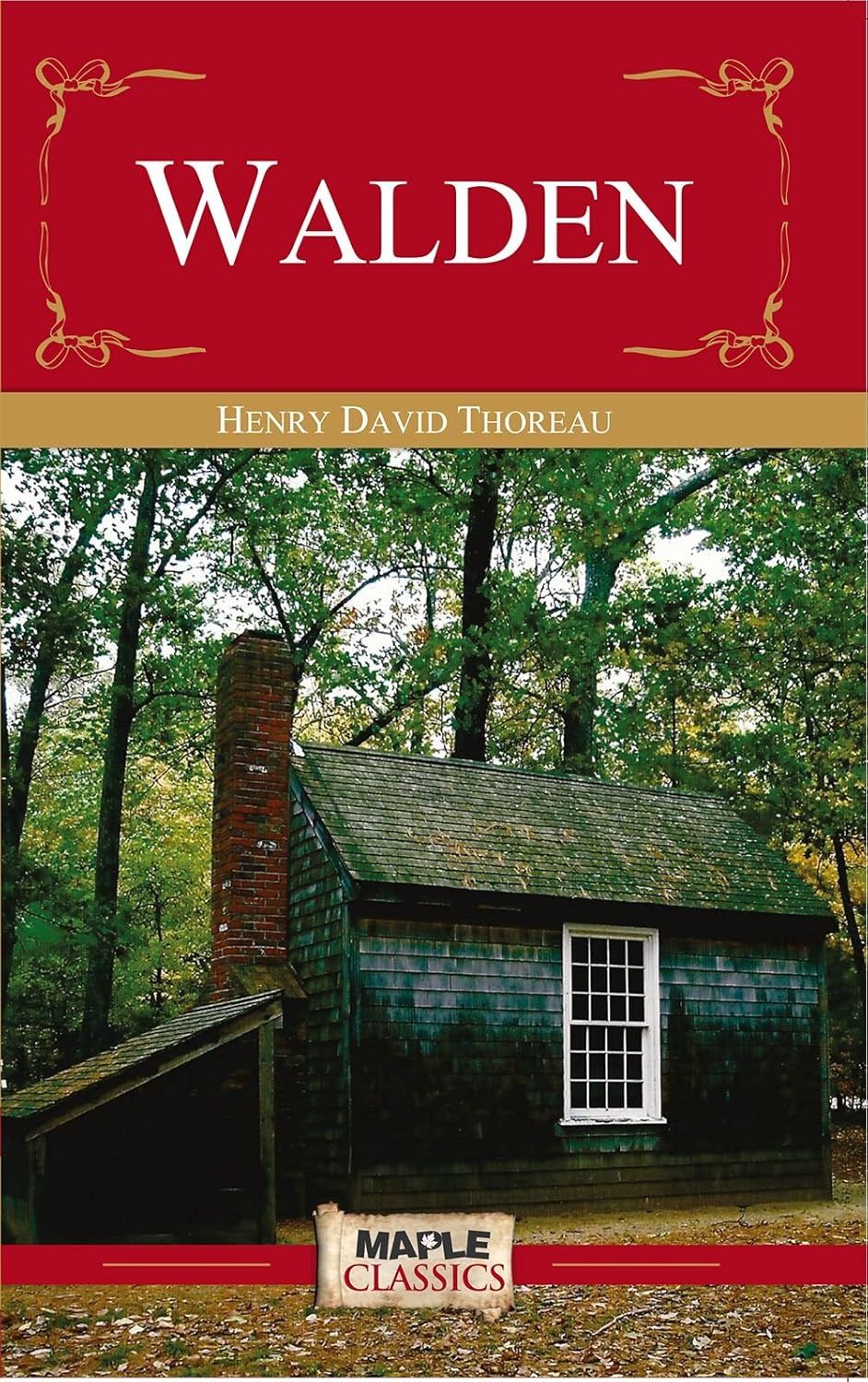
Who knows but if men constructed their dwellings with their own hands, and provided food for themselves and families simply and honestly enough, the poetic faculty would be universally developed, as birds universally sing when they are so engaged? But alas! we do like cowbirds and cuckoos, which lay their eggs in nests which other birds have built, and cheer no traveller with their chattering and unmusical notes. Shall we forever resign the pleasure of construction to the carpenter? What does architecture amount to in the experience of the mass of men? I never in all my walks came across a man engaged in so simple and natural an occupation as building his house. We belong to the community. It is not the tailor alone who is the ninth part of a man; it is as much the preacher, and the merchant, and the farmer. Where is this division of labor to end? and what object does it finally serve? No doubt another may also think for me; but it is not therefore desirable that he should do so to the exclusion of my thinking for myself.
Envisioning a shelter, and bringing it to life, is a sacred act.
One that comes naturally
to birds, to animals, to humans.
And yet,
we have outsourced it.
Today,
a house is no longer something we build.
It is something we buy.
For builders,
it is inventory.
For investors,
it is an asset class.
For platforms,
it is a listing.
And for most people like us,
it becomes a compromise.
Walk into any new development.
The conversation is no longer:
“Do I love this space?”
It is:
“Can I afford this EMI?”
The houses, available in the market,
are mediocre, and distasteful.
You are handed a floor plan.
Light is negotiated.
Ventilation is optional.
Materials were chosen for speed, not soul.
Our shelter should make us feel at home.
It should nurture our lives,
lift our spirits and
make us feel motivated.
And yet,
we rarely ask:
Will this house help me grow?
Will it support the life I actually want?
Instead we value short-term economics over
good design, liability, durability, and quality.
The pandemic quietly broke
one of the strongest assumptions of our time:
that work and location
must be tied together.
And since then,
something has been changing.
People are questioning:
Why live in polluted metros?
Why spend hours in traffic?
Why raise children disconnected from land, nature, and community?
Across India, and the worlds,
there is a slow but visible movement.
Towards smaller towns.
Edges of cities.
Villages.
People want to start afresh,
recaliberate their lives.
They want better air.
Slower mornings.
Intentional communities.
A more deliberate life.
And with that question,
another one emerges:
If I have the freedom to choose where I live…
should I still buy what is available?
Or build what I truly need?
Because maybe the real crisis is not housing.
It is the loss of agency in shaping our own shelter.
Most boomers and generations before took pride in shaping their shelters.
When you step 2–3 hours outside the same city you live in,
land becomes affordable.
For the same budget, or often much less,
you can:
• own land
• build a custom home
• design for light, wind, views
• create outdoor spaces
• grow food
• build slower, in phases
When you build in rural areas or suburbs,
a few things shift immediately:
Land cost drops drastically.
Labour becomes more accessible.
Speed pressure reduces.
You’re not forced into RCC-heavy construction.
Which opens up a possibility of you building naturally.
Rural and peri-urban contexts
are still connected to:
• local soil
• local skills
• local climate wisdom
And when you build with them:
• Your walls breathe → better indoor air quality
• Your house stays cooler → less dependence on AC
• Materials age gracefully → not deteriorate
• Embodied energy drops → lower environmental impact
Natural home doesn’t feel manufactures.
It’s not cookie cutter,
it feels like it has grown out of the land.
You can build curves instead of corners.
Use Textures instead of laminates.
Follow the play of light and shadows that move through the day.
It brings you closer to seasons, to time, to yourself.
When you move out of the city,
you’re not just changing location.
You’re changing:
how you wake up
how you eat
how you spend time
what you value
If you’ve been thinking about moving out,
or building something of your own,
start with the right questions.
Not just how much will it cost?
But
what kind of life do I want this home to support?
Love and light,
Raghav and Ansh
P.S.: If you are on LinkedIn, let’s connect!
What you can watch -
What you can listen to -
If you found value in this newsletter, please consider sharing it with a friend.
Tiny Farm Friends Newsletter.
Every Sunday, we share tiny valuable lessons to help you transition to the countryside and build naturally.