- Tiny Farm Friends
- Posts
- We'd rather lose a client than lose their trust
We'd rather lose a client than lose their trust
Tiny Insights for building naturally, building beautifully.

No.122 — Read old posts on Tinyfarmlab.com
Reading Time 5 minutes
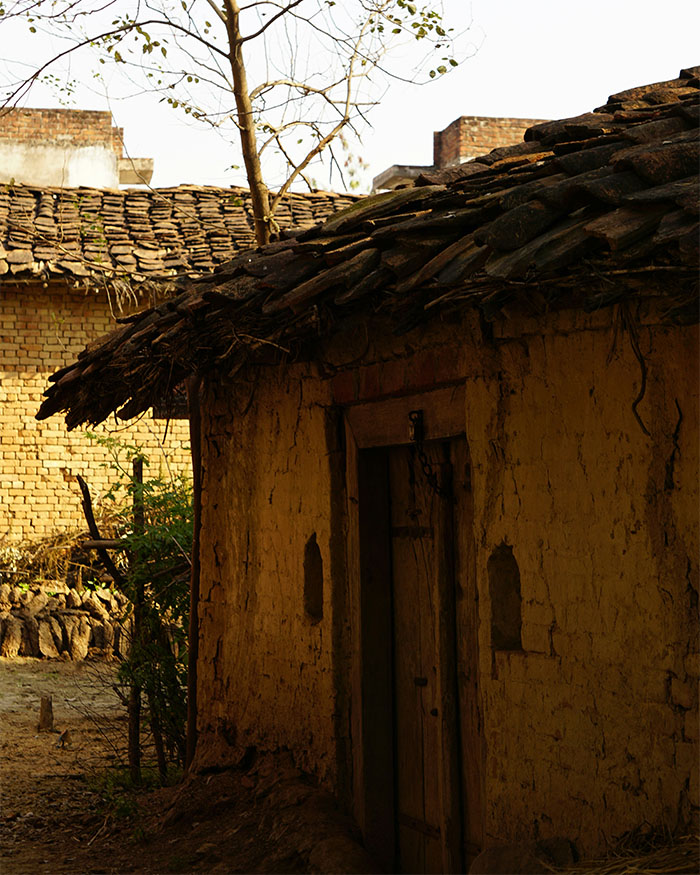
Most people who come to us for a mud house
have already seen one fail.
An ancestral haveli,
that survived decades and when,
nobody maintained it after the grandparents passed,
slowly returning to the earth it came from.
An eco-resort where the walls need lipai again
every few months,
just to look presentable for the next guest.
Or worse,
a "mud house" that isn't mud at all.
Red brick plastered over,
or painted the colour of earth.
Like A costume, not a material.
So when someone finally decides to build naturally,
on purpose,
they're not just carrying their family's doubt.
They're carrying their own.
Some architects don't understand
what people are actually asking for.
They hear "sustainable,"
and design a showpiece,
eight rooms for two people,
a driveway wide enough for status,
because that's what looks impressive in a portfolio.
But that's not what most of our clients want.
They want less,
not more.
Smaller,
not grander.
Walls raised with their own hands,
not trucked in from a hundred kilometres away.
They want a house that tells the truth about what it's made of
mud that looks like mud,
stone that looks like stone,
timber that ages instead of a finish that fades.
Not another coat of industrial paint,
sealing in something toxic,
so it photographs well on day one
and releases gases for the next twenty years.
If a client tells us they want to mix cob with their own hands,
or they don’t want to use cement,
that's not a compromise for us to manage.
That's the actual brief.
And even when the brief is understood,
the site still has its own opinion.
A wall facing the monsoon wind
needs different detailing
than one that doesn't.
The same material,
on two different sites,
can demand two completely different answers.
So before we design anything,
we study the site like it's going to argue with us.
Because it will.
We test the soil.
We walk the slope.
We ask what the land already knows,
before we decide what we want to build on it.
And sometimes,
the honest answer is,
not this.
Not here.
We're often the first ones to tell a client
their site isn't right for a mud house.
A flood-prone land.
Or land adjacent to the river.
We'd rather lose the project
than lose their trust.
Because even after all that study,
a site can still surprise you.
A crack nobody predicted.
A wall that settles differently
than the drawing said it would.
Ants decide to show up on the base of the wall.
A traditional roof that leaked
despite the best efforts of finding skilled labour in the region.
When that happens,
we don't disappear behind a contractor.
We go back.
We troubleshoot.
We suggest the best possible way to redo it.
We fix it,
because the trust someone placed
in us with their life savings
doesn't end the day the walls go up.
A flashy house photographs well.
An honest one has to survive the weather,
the years,
and the family who said it wouldn't last.
What's your dream project that you have in mind when the time is right for you?
Reply to this email and let me know.
will become the next edition of Tiny Farm Friends.
Love and light,
Raghav and Ansh
P.S. - If you are on LinkedIn, let’s connect! You can also watch our previous videos on YouTube and subscribe to our channel as we publish more videos soon.
What you can watch -

What you can listen to -
If you found value in this newsletter, please consider sharing it with a friend.
Tiny Farm Friends Newsletter.
Every week, we share tiny, valuable lessons to help you transition to the countryside and build naturally.